FIELD NOTES
The Live Operator
People with ESTP preferences often read the live room, act before the plan is finished, and treat pressure as useful.
Read profile ↓I’m Kick. Choose a section to learn about ESTP.
Energy often comes from people, noise, and motion. People with this preference think out loud, recruit whoever is nearby, and get restless in long stretches of quiet.
Overview +
ESTP is one of 16 MBTI-style personality types: Extraversion, Sensing, Thinking, and Perceiving. People with this preference often read a live situation faster than the room, act while others still want more data, and treat pressure as fuel. They usually learn by doing, prefer a visible result to a tidy theory, and pull stalled work back into motion. A code like this is a preference snapshot. Mid-range scores on any letter can shift between sittings. Treat the page as a working sketch, not a verdict on what you can do.
In your element.
See how these strengths might show up in everyday life.
01 / StrengthActing on partial data
+
People with this preference often move while others still want certainty, and a reversible call made now beats a perfect call made late.
Closing a wobbling deal the same afternoon instead of booking another analysis week.
02 / StrengthReading the other side
+
They often notice what the other person actually wants, including the want that never made it into the spoken pitch.
Spotting the real objection in a negotiation and trading for it, not the decoy.
03 / StrengthClarity in a live crisis
+
A live emergency often sharpens this preference. People with it tend to get clearer when the room is already moving.
Taking the outage while others debate whose process failed.
04 / StrengthReading the physical room
+
A shifted tone, a gap in a defense, a deal about to wobble: attention often stays on those live signals, not on the slide.
Catching that a client has already checked out, then changing the close.
05 / StrengthResourcefulness under constraint
+
Something can usually be traded, borrowed, or rigged together. People with this preference often refuse to wait for the official kit.
Shipping with a borrowed tool rather than waiting on procurement.
06 / StrengthPlain standing
+
A no arrives in the room, not later in a note. Directness saves time, even when the room would have preferred a softer landing.
Saying no to a bad deal in the meeting, not in a later note.
A little room to stretch.
01Theory as delay
+
Process, long-range plans, and anything labeled later can feel like a stall. Some of those stalls are how compounding actually happens.
Pick one long project and give it a weekly minimum you will not skip.
02Boredom into risk
+
A quiet week can slide a bold call into a reckless one. The appetite for stimulation does not clock out when the useful fire is gone.
For any call you cannot undo, wait a full day on purpose.
03Bluntness that bruises
+
Directness is a strength until it is not. A partner or colleague can remember the sting longer than the saved five minutes.
Lead with one sentence of context before the hard edit.
04Launch without upkeep
+
Starting is thrilling. Maintaining often feels like someone else’s job, so the win from last month quietly rots.
Name a maintenance owner on the day of the launch, including yourself.
05Quieter voices flattened
+
Speed can steamroll a slower person without anyone meaning to. The missed dissent is often the one that would have saved the call.
Count to three after you speak, and ask the quietest person first.
06Feelings skipped for speed
+
A feeling in the room is data, even when it slows the close. Rushing to act can skip the need that was the actual problem.
Ask one question and wait before you offer a single fix.
Room for someone else.
Life beside this preference rarely stalls. Spontaneous trips, new restaurants, a partner defended in public, and a broken thing repaired the same afternoon are common. Quiet routine can look like a stall, and a feeling talk can get a fix when company was the ask. People with this preference who wait through the feeling before they act often stay both loyal and fun. Naming the need for stimulation early cuts most of the usual mix-ups.
Unplanned plans that actually happen the same week, not only as a mood.
Public defense when it counts, without a long speech about loyalty.
A practical fix the same afternoon, once the problem is named.
Honesty about wanting stimulation, stated early rather than after a fight.
Quiet routine can be read as a stall even when the bond is fine.
A feeling talk can get a solution when company was the actual ask.
Risk and money moves made fast can scare a more cautious partner.
Ask one question, wait for the answer, then offer a fix if they still want one.
Name the need for stimulation in the first month, not after a fight.
Treat folk pairing with ISFJ as entertainment, not as evidence.
Same conversation.
Different perspectives.
Choose two types to compare their preferences at work and in relationships.

1 shared preference.

IIntroversionA preference for thinking things through alone and spending time in quieter settings.
EExtraversionA preference for talking things through and spending time with other people.
NIntuitionA preference for patterns, connections and the possibilities behind what you see.
NIntuitionA preference for patterns, connections and the possibilities behind what you see.
TThinkingA preference for weighing logic and consistent principles when making a decision.
FFeelingA preference for weighing personal values and the effect a decision has on people.
JJudgingA preference for making plans, reaching decisions and knowing what comes next.
PPerceivingA preference for keeping options open and adapting as new information comes in.
INTJ and ENFP share intuition and differ on energy, decisions, and structure.
Friendship often works when the ENFP brings people and options and the INTJ brings a private, tested view.
It frays when debate is treated as rejection, or when last-minute plans collide with a closed calendar.
Shared letters do not measure compatibility. These are conversation starters, not predictions about a relationship.
Helping another person grow.
As parents, people with this preference often teach by doing: the bike, the tool, the game in the park. They usually defend the child in public, keep the day moving, and treat a scrape as something to handle, not a speech. The cost is skipped homework ritual, blunt feedback that lands as a grade, and a feeling in the child that gets a fix before it gets company. Sit with the feeling first, then offer the next move.
What you may bring
Hands-on teaching: the skill is shown, then the child is trusted to try.
Defense in public, so the child is not left to absorb a room alone.
Energy for play that involves motion, tools, games, and a live problem.
Where it can get tricky
Homework, forms, and bedtime can slip while a more live activity is running.
Blunt feedback meant as help can land as a score on the child.
A child’s feeling can get a fix before it gets company.
Small things to try
Pause the fix until the child has finished the feeling out loud.
Keep one boring household rule the same, even when a detour looks more fun.
Praise the try out loud, not only the win.
Look at the setting.
Then the job title.
People with this preference often want fast feedback and a win you can see. Sales, emergency work, coaching, troubleshooting, property deals, and live events fit that pace. Desk analysis whose payoff sits months away usually drains them. The job that fits often looks like this: something is on fire, in a room or on a spreadsheet, and they are allowed to handle it their way.
Sales and negotiation↗
Fast feedback, reading the other side, and a visible close the same day.
Emergency response↗
A live crisis rewards people who stay clear and act on partial information.
Athletics and coaching↗
Physical skill, in-the-moment calls, and results the body can feel.
Operations troubleshooting↗
Something is broken now, and the job is to restore it without a long brief.
Real estate↗
Deals, walk-throughs, and persuasion tied to a physical place.
Event production↗
Live logistics that change by the hour and must still run on time.
Desk analysis whose payoff sits months away with no live contact.
Cultures that punish a reversible experiment as if it were reckless.
Roles that launch well and then become pure maintenance with no new fire.
Your role in the room.
As a colleague, this preference often looks like someone who cuts to the live problem, recruits whoever is nearby, and would rather try a reversible move than sit through another round of theory.
Cuts to the live snag and tries a reversible move before the deck is done.
Recruits whoever is nearby, which can steamroll a quieter plan already in motion.
Goes missing for the status meeting, then solves the outage before it is scheduled.
Make your meaning easier to hear.
Direct, pragmatic, and often funny. People with this preference usually want a real example and lose patience with a long theory that never touches the case in the room.
What helps
Lead with the case, the constraint, and the ask in that order.
Use a real example, not a model that never touches this week’s work.
Mark what is reversible versus what cannot be undone after today.
What to avoid
Hiding the ask inside a strategy lecture they have to sit through.
Repeating the same abstraction when they asked for a concrete case.
Hearing a blunt edit of the plan as a verdict on the person.
Notice the signal.
Give yourself room.
You might notice
Withdrawal and a dark forecast that does not match the usual swagger.
Reckless bets or shortcuts when the week has gone too quiet.
Public scoring of other people’s speed, with less listening than usual.
Ways to recover
One reversible next action you can finish today, not a bigger gamble.
Sleep, a hard workout, a meal, then one person you trust, not a crowd.
Name the disaster you are predicting, then check whether any evidence for it exists today.
Growth, without a personality transplant.
Growth here is rarely more nerve. It is a pause on irreversible calls, one long project that compounds, and a question asked before a fix. The aim is the same talent for motion, pointed at something that still matters next year.
Pause the irreversible
Any choice you cannot undo waits a full day. Reversible ones, act.
Pause the irreversible
Any choice you cannot undo waits a full day. Reversible ones, act.
One compounding project
Pick one long project and set a small weekly minimum you will not skip.
Question then fix
In a feeling talk, ask one question and wait before you offer a single fix.
Hand off the upkeep
Name the upkeep you hate, give it to a detail-strong colleague, and respect the trade.
Stay for the slow process
On the next process that cannot sprint, stay for the whole meeting without a workaround.
Characters you may know.
Fictional people, familiar patterns. These are illustrative matches, not official types.
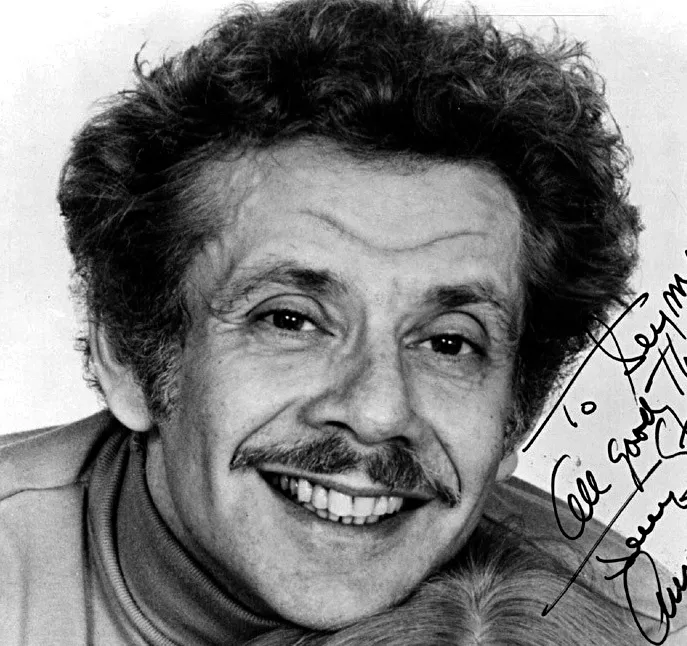
Frank Costanza
Seinfeld
How these matches were made +
An illustrative match from our fictional-character scores, not an official type. Extraversion maps to E/I, Openness to N/S, Agreeableness to F/T, and Conscientiousness to J/P. Each mapped score must be at least 4 points from the midpoint of 18 on a 0 to 36 scale. Near-midpoint characters are left out.
More about ESTP.
How is ESTP different from ISTP?+
Direction of energy is the split. Both preferences share a hands-on, logical, improvising core. ESTP preferences often work it out loud and in public, talking a plan into existence. ISTP preferences often work it quietly first and speak after the thinking is done. Same toolkit, opposite volume. If people and motion charge you, start here.
Can an ESTP become a different type?+
No self-report code is a life sentence. Results track present preferences, and a letter near the middle can change on a later sitting. The pull toward action and realism often lasts. Patience and long-range planning can still be learned at any age. Retake after a big life change if the old code no longer fits the week.
How rare is ESTP?+
Tables often put ESTP near 4 to 5 percent of people in the US, somewhat less common than ESFP in those same tables. Methods and samples vary, so read any percentage as a rough landmark rather than a census. A single exact percentage would overclaim what those samples can support.
Who is an ESTP compatible with?+
Folk charts often nominate a warmer, steadier partner, with ISFJ a frequent pick, on the idea that opposites balance. Treat pairing charts as entertainment. Shared adventures, honest talk about money and risk, and respect for different speeds predict more than letters. Any pairing can work when both people flex on stimulation and follow-through.
How is ESTP different from ESFP?+
The third letter is the split. ESTP preferences often judge a call by outcome and can set feelings aside. ESFP preferences often judge a call by who it hurts or helps. Both stay extraverted, present, and flexible. If a pragmatic close matters more than the mood in the room, start with ESTP.
Is an ESTP result a medical diagnosis?+
No. A four-letter result here is a self-reflection aid, not a diagnosis. TPP’s type quiz is 72 forced-choice items, free, no account, scores on the spot. If you want the stronger research model, use Big Five.
Want to find your type? Take the personality type test.
What sounds
like you?
Try this page against a real week, not against a nickname. People with ESTP preferences often shine when a situation is moving, the data is incomplete, and a close is allowed today. They often stall when a long process, quiet upkeep, or a feeling talk is the actual job. The free type quiz is 72 forced-choice items with no account and instant scores. For a trait model with stronger research, use Big Five.
Start personality type test ↗Sources and limitations +
These are MBTI-style editorial descriptions, not the official MBTI assessment or a diagnosis. Preferences do not determine abilities, careers or relationships. The imported profile content is awaiting its final source review.
Myers and Briggs Foundation, Evolving the MBTI Legacy ↗
CAPT Estimated Frequencies of the Types in the United States Population (archived 2019-03-30) ↗
The Myers-Briggs Company, MBTI Facts and Common Criticisms ↗
Explore continuous traits with the Big Five ↗