FIELD NOTES
The Quiet Backup
People with ISFJ preferences often notice unspoken needs, remember the details, and take care of them quietly.
Read profile ↓I’m Button. Choose a section to learn about ISFJ.
Warmth is real but rationed. People with this preference often offer it one on one rather than broadcast it. Big groups are manageable. Small circles are home.
Overview +
ISFJ names four preferences, Introversion, Sensing, Feeling, and Judging, inside the 16-type table. People with this preference often notice what those around them need, remember it, and handle it without fanfare. They tend to restore energy in quiet, trust concrete experience over abstract possibility, weigh people and values first, and calm themselves with lists and finished tasks. A four-letter code is a preference sketch, not a measure of kindness or competence. A close score on any dichotomy can move on a later sitting. Use the page to test habits, not to lock a label.
In your element.
See how these strengths might show up in everyday life.
01 / StrengthAttentiveness
+
People with this preference often notice needs nobody stated aloud, then meet them. The work happens before anyone has to ask.
Restocking the thing a colleague always runs out of, without a memo.
02 / StrengthLoyalty
+
Friendships and commitments are often measured in decades, not seasons. People with this preference tend to stay with a person or a team long after the novelty is gone.
Still showing up for a friend whose life got quiet two years ago.
03 / StrengthPractical kindness
+
Care often arrives as a ride to the airport or soup on the porch, not as a speech. The help is concrete, timed, and already done.
Leaving a packed lunch on the counter before a brutal morning.
04 / StrengthDiligence
+
They often do the job properly even when nobody is checking. Quiet thoroughness is the default, not a performance for a manager.
Fixing the filing error on a Friday when the office is already empty.
05 / StrengthSteadiness
+
In a chaotic week, people with this preference often become the fixed point everyone else navigates by. The routine holds while other people scatter.
Keeping meals and bedtime intact during a family emergency week.
06 / StrengthTeam glue
+
Offices, families, and clubs often run smoother because of work they never mention doing. The glue is invisible until they stop, and then the gaps show.
The birthday calendar, the spare charger, and the quiet check-in nobody scheduled.
A little room to stretch.
01Saying no
+
Requests often feel like obligations, so the calendar fills with other people's priorities. A small yes can crowd out the rest they actually needed.
Decline one low-stakes request each week, without apology and without offering a substitute.
02Avoiding conflict
+
Problems get smoothed over instead of solved, and they resurface later, larger. Peace in the room can cost accuracy in the record.
Name the issue in one sentence this week, even if your voice shakes.
03Absorbing criticism
+
Feedback about the work can feel like a judgment of the person. People with this preference may take a note on the file as a note on their worth.
Ask whether the comment is about the task or about you, then wait for the answer.
04Silent resentment
+
Because they help without being asked, they may hurt without saying so, and the people around them never learn the cost. The ledger stays private until it overflows.
Once a week, hand someone else a task you would normally absorb.
05Clinging to the familiar
+
Old routines get defended past their useful life. Familiar is not the same as kind, but it can feel that way when the week is already full.
Change one small household routine for a fortnight, then judge it on how people actually fared.
06Impact read as intent
+
People with this preference can take an offhand comment as a verdict. Intention and impact often differ, but the body still files it as harm.
Before you react, check one other reading of what they meant.
Room for someone else.
Devotion is often the signature. People with this preference remember anniversaries, stock the pantry with favorites, and build a home out of small, dependable comforts. What they need back is genuine thanks: not a grand gesture, just evidence that the care was seen. Trouble starts when they give silently for years while a partner assumes everything is fine. The healthiest pattern is regular, explicit thanks and a partner who asks what they want, then waits for a real answer.
A home stocked with the other person's favorites, without being asked twice.
Anniversaries and small dates remembered, then actually marked on the day.
Care that shows up as soup, a ride, and a household that quietly works.
Loyalty measured in years, including the seasons when nothing dramatic is happening.
Silent giving can run for years while the partner assumes the load is light.
A preference of their own may stay unsaid, so the other person never gets to meet it.
Conflict delayed for harmony can return later as a larger, colder distance.
Ask what they want, then wait through the pause instead of filling it for them.
Thank the specific act out loud the same day, not only in a yearly speech.
Compatibility lists that name ESFP or ESTP are folklore, so treat thanks and repair as the real work.
Same conversation.
Different perspectives.
Choose two types to compare their preferences at work and in relationships.

1 shared preference.
IIntroversionA preference for thinking things through alone and spending time in quieter settings.
EExtraversionA preference for talking things through and spending time with other people.
NIntuitionA preference for patterns, connections and the possibilities behind what you see.
NIntuitionA preference for patterns, connections and the possibilities behind what you see.
TThinkingA preference for weighing logic and consistent principles when making a decision.
FFeelingA preference for weighing personal values and the effect a decision has on people.
JJudgingA preference for making plans, reaching decisions and knowing what comes next.
PPerceivingA preference for keeping options open and adapting as new information comes in.
INTJ and ENFP share intuition and differ on energy, decisions, and structure.
Friendship often works when the ENFP brings people and options and the INTJ brings a private, tested view.
It frays when debate is treated as rejection, or when last-minute plans collide with a closed calendar.
Shared letters do not measure compatibility. These are conversation starters, not predictions about a relationship.
Helping another person grow.
As parents, people with this preference often build a childhood out of remembered details, steady routines, and practical care. Meals, rides, and remembered preferences show up without a speech. The risk is doing so much of the work that the child never learns to carry a share, or that the parent's own rest never makes the list. The growth move is a small no, and a chore handed back.
What you may bring
A child whose preferences, fears, and small dates are actually remembered.
Practical care that shows up as packed bags, meals, and a household that holds.
Patience with a child who is struggling, without turning the moment into a speech.
Where it can get tricky
Doing the child's jobs for them so nobody is disappointed, including the child later.
Avoiding a needed conflict with a partner or a teen because the room feels tense.
A parent whose own rest never makes the list, then snaps at a small request.
Small things to try
Hand one age-fit chore back this week and let it be done imperfectly.
State a preference out loud at dinner, even if it is only the side dish.
Put your own rest on the family calendar as a real appointment, not leftover time.
Look at the setting.
Then the job title.
People with this preference often do their best work where service meets structure. They usually want clear responsibilities, stable teams, and visible evidence that the effort helped someone. High-conflict, self-promotional rooms wear them down fastest. Roles that reward quiet follow-through, memory for people, and a finished file tend to fit better than roles that reward self-advertising.
Nursing and allied health↗
Concrete care, a procedure, and a person who is better because you showed up.
Classroom instruction↗
A stable group, remembered students, and work that has to be done properly every day.
Human resources support↗
People's records, fair process, and help that stays behind the scenes on purpose.
Social care work↗
Service with structure, and evidence that a specific person was less alone.
Veterinary care↗
Practical kindness toward animals and the people who bring them in, with a thorough file.
Records and administration↗
Detail that has to be right, and a system other people can actually rely on.
High-conflict rooms where self-promotion is the path to being heard.
Roles that reward saying yes to every request until the calendar is only other people.
Cultures that never thank the glue work, then act surprised when it stops.
Your role in the room.
As a colleague, this preference often looks like the person who notices the gap, fills it, and never puts it on the status slide. The team is smoother. The contribution is easy to miss.
Absorbs the leftover task so the meeting can end on time, then stays late.
Remembers colleagues' constraints and quietly plans around them.
May understate a contribution, so credit lands on whoever spoke last.
Make your meaning easier to hear.
Gentle, specific, and often carried by deeds more than by speeches. People with this preference may understate their own contribution and need a direct question before they will name a want.
What helps
Thank the specific act in the same conversation, not later in a generic note.
Ask what they want and wait, because a polite whatever you like is often not the answer.
Give criticism about the task, with one example, and say it is about the work.
What to avoid
A public correction that makes the help they gave look like a personal failure.
Assuming silence means agreement, when it may mean they are keeping the peace.
Leaving their contribution unnamed so they have to choose between boasting and staying invisible.
Notice the signal.
Give yourself room.
You might notice
Uncharacteristic criticism of people they usually look after, often over small deviations from the usual way.
A flood of negative what-ifs, even when today's facts are still ordinary.
A rigid insistence on the usual method, plus withdrawal from the people who need a conversation.
Ways to recover
A quiet hour that is not leftover time, then one person who will hear the real load.
Hand one absorbed task back, even a small one, before you add another yes.
Write the worst what-if down, then check it against one present-tense fact from today.
Growth, without a personality transplant.
People with this preference rarely need a lecture on care. They often need a small no, a named want, and rest that is not leftover. The point is a life that still has room for the person doing the helping.
Practice the small no
Once a week, refuse a small extra ask and do not fill the gap yourself.
Practice the small no
Once a week, refuse a small extra ask and do not fill the gap yourself.
Ask for help on purpose
Once a week, hand someone else a task you would normally absorb, and let it stay handed.
State a preference daily
Pick the restaurant. Name the movie. Small declarations build the muscle for larger ones.
Put rest on the calendar
Block time for yourself that is non-negotiable, not the scraps after everyone else is handled.
Check the other reading
When hurt, pause and test one other interpretation before you file the comment as a verdict.
Characters you may know.
Fictional people, familiar patterns. These are illustrative matches, not official types.

Brienne of Tarth
Game of Thrones

Samwise Gamgee
Lord of the Rings

Marge Simpson
The Simpsons

Clint Barton
Avengers
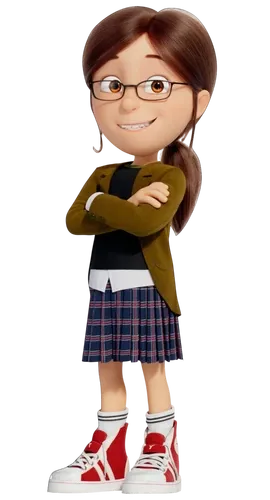
Margo
Despicable Me
How these matches were made +
An illustrative match from our fictional-character scores, not an official type. Extraversion maps to E/I, Openness to N/S, Agreeableness to F/T, and Conscientiousness to J/P. Each mapped score must be at least 4 points from the midpoint of 18 on a 0 to 36 scale. Near-midpoint characters are left out.
More about ISFJ.
How is an ISFJ different from an INFJ?+
The middle letters split them: Sensing versus Intuition. ISFJ preferences often trust remembered experience and take care of people through concrete, present-tense help. INFJ preferences often read patterns and possibilities, caring by imagining who someone could become. One preserves what already works. The other quietly pushes toward what might. Both are private and easy to confuse at first.
How is ISFJ different from ISTJ?+
One letter, Thinking, is the difference. People with ISFJ preferences often decide by impact on people and will flex a rule to spare a relationship. People with ISTJ preferences often decide by a consistent principle and will hold the line even when it stings. Stress tends to make the first pattern over-give, and the second pattern go blunt.
Can an ISFJ become a different type?+
Not as a life sentence. Preferences tend to be stable, but people soften, stretch, and score differently on a retest, especially when a dichotomy result sat near the line. Someone with this preference who practices a small no may still prefer harmony while behaving more boldly. Trait scores track that gradual change better than a four-letter stamp.
How common is ISFJ?+
In commonly cited estimates, ISFJ accounts for roughly 9 to 14 percent of the US population, and many summaries list it as the single most common type of all 16. These figures come from older samples, so treat them as a rough map rather than a census.
Who is an ISFJ compatible with?+
Compatibility lists often suggest ESFP and ESTP, whose energy draws this preference out, or people who share a taste for commitment. Take every such pairing loosely. There is little scientific support for matching by letters. Appreciation, communication, and shared expectations do more of the work. Feeling genuinely thanked may matter more than any type match.
Should I treat an ISFJ result as a diagnosis?+
No. Type here is a self-reflection tool, not a clinical measure. TPP also offers Big Five (OCEAN), the stronger empirical model. You get 72 forced-choice questions, free, no signup, and results you can read at once.
Want to find your type? Take the personality type test.
What sounds
like you?
If last week's calendar looked like this page, treat the match as a hypothesis. People with ISFJ preferences often work best when care has a structure, thanks is spoken, and a no is allowed. They often stall when the calendar is only other people, or when a conflict is smoothed until it returns larger. TPP's type test is 72 forced-choice questions with instant results and no signup. For a stronger empirical model, use Big Five rather than a four-letter box.
Start personality type test ↗Sources and limitations +
These are MBTI-style editorial descriptions, not the official MBTI assessment or a diagnosis. Preferences do not determine abilities, careers or relationships. The imported profile content is awaiting its final source review.
Myers and Briggs Foundation, Our Legacy ↗
CAPT Estimated Frequencies (Wayback, 2019-03-30) ↗
CareerPlanner type frequencies, citing the MBTI Manual (CPP) ↗
Boyle (1995) Bond ePublications record ↗
Explore continuous traits with the Big Five ↗