FIELD NOTES
The Warm Organizer
People with ENFJ preferences often rally a group around a human aim and keep the follow-through visible.
Read profile ↓I’m Fern. Choose a section to learn about ENFJ.
Company often restores them. People with this preference leave a good gathering fuller than they arrived, and long isolation dims them even when the work is going well.
Overview +
ENFJ is one of 16 MBTI-style personality types: Extraversion, Intuition, Feeling, and Judging. People with this preference often leave a good gathering with more energy than they brought, notice potential in other people, and take charge so a group actually finishes. They tend to turn care into dates, rosters, and visible follow-through rather than leaving goodwill as a mood. Letters name a preferred style. They do not measure intelligence, character, or health. A thin margin on any letter can flip the next time you sit the test. Read the profile against your actual week.
In your element.
See how these strengths might show up in everyday life.
01 / StrengthReading the room
+
People with this preference often register a mood shift almost as fast as the person having it, and they adjust in real time.
Softening a meeting after noticing the junior has gone still.
02 / StrengthKindling belief
+
Their conviction that someone can do the hard thing is often contagious enough that the person actually tries.
Talking a stalled teammate into shipping the talk they were avoiding.
03 / StrengthOrganizing for people
+
They turn goodwill into rosters, schedules, and actual follow-through, which is why groups often run on their calendar.
Turning a vague volunteer night into names, times, and a ride plan.
04 / StrengthPersuasive warmth
+
They often argue with stories and sincerity, and an audience tends to come along rather than only nod.
Winning a budget by describing who the change would actually help.
05 / StrengthGenerosity
+
Time, credit, and attention often go out freely, and usually first, before anyone has to ask.
Passing the public credit and keeping the unglamorous follow-up.
06 / StrengthBuilding consensus
+
They can walk a divided group toward a decision most members can live with, not only a vote that silences them.
Holding a split team until the quietest objection is actually heard.
A little room to stretch.
01Approval as oxygen
+
Being needed can feel so good that being unneeded feels like rejection, and criticism can land as catastrophe.
Ask whether the discomfort is a real rupture or only a missing thank-you.
02Overcommitment
+
Every yes is sincere. The calendar simply cannot hold them all, and burnout arrives quietly.
Keep a visible no list, and add a yes only by removing another.
03Helping that becomes steering
+
Concern slides into deciding what is best for people who did not ask, and the help starts to feel like a leash.
Ask first. If they wanted company, stop solving and listen.
04Smoothing necessary conflict
+
In protecting harmony today, they can bury a problem the group needed to face while it was still small.
Name the disagreement in the room once, then let it stay named.
05Self-neglect
+
Their own needs sit at the bottom of a list that keeps growing new tops, until the crash looks like a surprise.
Put one personal want on the calendar in ink, with nobody to serve.
06Cause over consent
+
When the aim feels kind, people with this preference can push someone toward it without waiting for a real yes.
If they did not ask, stop. Offer the idea once, then leave it.
Room for someone else.
People with this preference often love as a project of attention: they remember the interview, notice the mood at dinner, and plan the birthday two months out. Partners frequently feel seen. Care this constant can slip into choosing for the other person. Appreciation is tracked more than they admit, and when thanks never come, resentment can grow behind the continuing smile.
Active care that shows up as memory, plans, and follow-through.
A partner who feels believed in, sometimes before they believe themselves.
Social glue: introductions, gatherings, and repair after a group snag.
Loyalty that wants a named future, not only a mood.
Help can become steering, crowding out a choice the partner needed to make.
Thanks that stays silent can be read as indifference.
Harmony-protecting can bury a fight the couple needed to have.
Ask what they want, then wait through the pause.
Say one specific thanks out loud, not only through returned favors.
Treat INFP and ISFP pairing charts as folklore, not as evidence.
Same conversation.
Different perspectives.
Choose two types to compare their preferences at work and in relationships.

1 shared preference.
IIntroversionA preference for thinking things through alone and spending time in quieter settings.
EExtraversionA preference for talking things through and spending time with other people.
NIntuitionA preference for patterns, connections and the possibilities behind what you see.
NIntuitionA preference for patterns, connections and the possibilities behind what you see.
TThinkingA preference for weighing logic and consistent principles when making a decision.
FFeelingA preference for weighing personal values and the effect a decision has on people.
JJudgingA preference for making plans, reaching decisions and knowing what comes next.
PPerceivingA preference for keeping options open and adapting as new information comes in.
INTJ and ENFP share intuition and differ on energy, decisions, and structure.
Friendship often works when the ENFP brings people and options and the INTJ brings a private, tested view.
It frays when debate is treated as rejection, or when last-minute plans collide with a closed calendar.
Shared letters do not measure compatibility. These are conversation starters, not predictions about a relationship.
Helping another person grow.
People with this preference often parent as developers of a person: they notice a gift early, explain the why behind a rule, and put the recital on the calendar months out. The child can feel deeply believed in. The same care can slide into steering, overbooking, and treating a messy feeling as something to coach away before it has been heard.
What you may bring
Names potential out loud so the child can try the hard thing.
Puts care on a calendar: recitals, talks, and the follow-up after a bad day.
Explains the why behind a house rule instead of only the penalty.
Where it can get tricky
A child saying no can sound like a problem to persuade through.
The family calendar can fill until nobody has unstructured air.
Their own fatigue stays hidden while the coaching continues.
Small things to try
Ask what the child wants before offering a development plan.
Leave one afternoon a week with nothing scheduled on purpose.
Let a small feeling finish before you teach from it.
Look at the setting.
Then the job title.
Point this preference at a room of potential and it often leans in. People with this preference usually want work where progress is measured in people: growth, morale, a group that actually reaches the aim. Long solo technical stretches starve them. Cultures that treat staff as line items tend to push them out. Comfort zones are not fences; the same preference shows up across fields.
Education and classroom leadership↗
Developing people in a structured setting with visible progress week to week.
Coaching and mentoring↗
Kindling belief, then turning it into a plan the other person can run.
Healthcare with a human face↗
Care that has to notice the person, not only the protocol on the chart.
People operations↗
Building the human systems that let a team keep its promises to itself.
Communications and community work↗
Arguing with stories and sincerity so an audience actually moves.
Team leadership in people-heavy work↗
Owning a roster, a mood, and the follow-through that makes goodwill real.
Roles that isolate them from people for weeks at a time.
Cultures that punish necessary conflict in the name of niceness.
Job descriptions that reward being needed more than being effective.
Your role in the room.
As a colleague, this preference often looks like the person who notices who has gone quiet, volunteers to host the hard conversation, and turns goodwill into a roster the team can actually run.
Remembers birthdays, interviews, and the junior who has not spoken yet.
Offers help before being asked, which can feel like pressure.
Wants a named decision so the group can stop looping.
Make your meaning easier to hear.
Warm, audience-aware, and aimed at bringing people along. People with this preference often argue with stories and sincerity, and may soften a hard truth to keep the bond intact.
What helps
Name the human impact of the decision, not only the metric.
Give credit in the room, specifically, while the person can hear it.
Say the hard thing once, plainly, after a short warmth, not instead of it.
What to avoid
Hinting at a need and hoping they will notice.
Filling every silence so nobody else can disagree.
Treating a critique of the plan as a verdict on your care.
Notice the signal.
Give yourself room.
You might notice
Help turns into control, rewriting choices other people had a right to make.
The usual optimism drops, and self-criticism gets loud in private.
Withdrawal that looks unlike them, or a sugary tone over buried anger.
Ways to recover
A block of time with nobody to develop, then one honest friend, not a crowd.
Write what you want on paper before asking what the group needs.
Let one small conflict stay unresolved overnight on purpose.
Growth, without a personality transplant.
Growth here often means leaving other people their will, putting your own want on the list, and letting a disagreement sit overnight.
Let pauses stand
Count three seconds before filling a silence. What surfaces is often what the other person meant to say.
Let pauses stand
Count three seconds before filling a silence. What surfaces is often what the other person meant to say.
Ask before helping
Ask whether they want help or only an ear, and believe the answer.
Book unassigned hours
Keep time with nobody to host, develop, or fix, and spend it on what you want.
Survive mild disapproval
Let a small disagreement stay open for a day. The bond will usually hold.
Name your own need
Say the want in a plain sentence instead of hinting and hoping.
Characters you may know.
Fictional people, familiar patterns. These are illustrative matches, not official types.

Ellie Sattler
Jurassic Park

Professor Charles Xavier
X-Men

Albus Dumbledore
Harry Potter

Dustin Henderson
Stranger Things

Peter Parker
Avengers
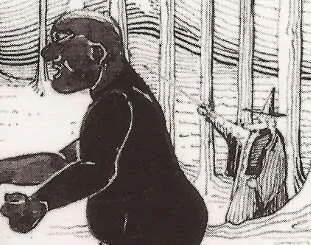
Gandalf
Lord of the Rings
How these matches were made +
An illustrative match from our fictional-character scores, not an official type. Extraversion maps to E/I, Openness to N/S, Agreeableness to F/T, and Conscientiousness to J/P. Each mapped score must be at least 4 points from the midpoint of 18 on a 0 to 36 scale. Near-midpoint characters are left out.
More about ENFJ.
How is ENFJ different from INFJ?+
The first letter is the energy split. ENFJ preferences often process out loud and grow more animated as a room fills. INFJ preferences hold similar warmth and vision but recharge alone and share more selectively. Ask which drains you faster, a crowded week or an empty one.
Can an ENFJ become a different type?+
Nothing locks the letters in. The code reflects the sides you picked on a forced-choice form. A new role, a quieter season, or aging can move a thin margin. Keep the label while it fits, and sit the test again when it stops fitting.
How rare is ENFJ?+
Commonly cited estimates put ENFJ near 2 to 5 percent of the US population, among the less common types, though not at the extreme rarity often claimed for INFJ. The numbers come from scattered surveys and different instruments, so treat them as ballpark figures.
Who is an ENFJ compatible with?+
Community lore often matches this preference with INFP or ISFP, on the idea that a gentler, more flexible partner will welcome the warmth without competing for the wheel. Evidence that type pairings predict satisfaction is thin. Respect, repair after conflict, and a shared direction do more work than any chart.
Is the ENFJ label a clinical finding?+
No. This four-letter result is a self-reflection frame, not a diagnosis. The TPP type test is 72 forced-choice items, free, with no signup and instant results. The Big Five remains the stronger research model.
Want to find your type? Take the personality type test.
What sounds
like you?
If the habits on this page match your week, keep them as a working map and keep testing. People with ENFJ preferences often do their best work when they can develop others, name a shared aim, and make follow-through visible. They often stall when they skip their own needs, or when help becomes steering. The type test is 72 forced-choice questions, free, no signup, instant results. Use the Big Five if a four-letter frame feels too tight.
Start personality type test ↗Sources and limitations +
These are MBTI-style editorial descriptions, not the official MBTI assessment or a diagnosis. Preferences do not determine abilities, careers or relationships. The imported profile content is awaiting its final source review.
Myers and Briggs Foundation, Evolving the MBTI Legacy ↗
CAPT Estimated Frequencies of the Types in the United States Population (archived 2019-03-30) ↗
The Myers-Briggs Company, MBTI Facts and Common Criticisms ↗
Explore continuous traits with the Big Five ↗